Light Loops by Alex Huang and Lily Campbell
Fall 2023
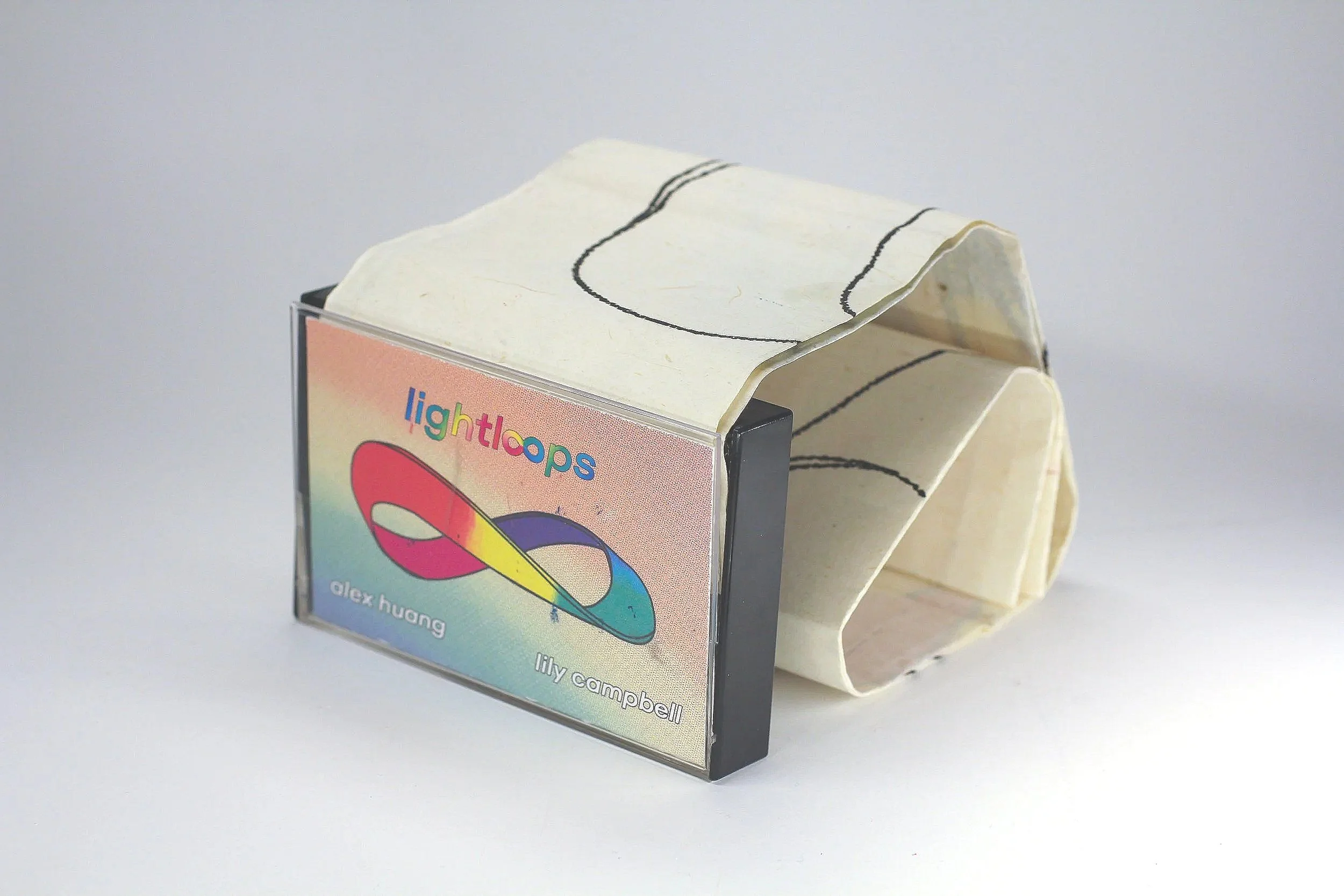
Light loops is a collaborative project that encompasses color theory, silkscreen printing, custom RGB LED circuitry, and a hacked tape player to create an audio visual experience that couples light and sound through analog audio and CMYK silkscreen printing techniques.
The artists drew inspiration from the Samoiloff Effect, a theatrical and artistic lighting technique that allows an image to completely transform its appearance when illuminated by different colors of light.
A Mobius strip motif exists across the project from the screen printed CMYK mobius strip J-Card, to the mobius strip tape loop inside the cassette.
As the audio plays over a custom mobius strip tape loop, a hacked Panasonic Tape player couples the speed of the audio to an arduino board that transmits a looping pattern of light via a RGB LED strip. As this light shifts a Samoiloff Effect appears on the screen printed mobius strip J-card giving the illusion of movement that is synced to the tape loop audio.
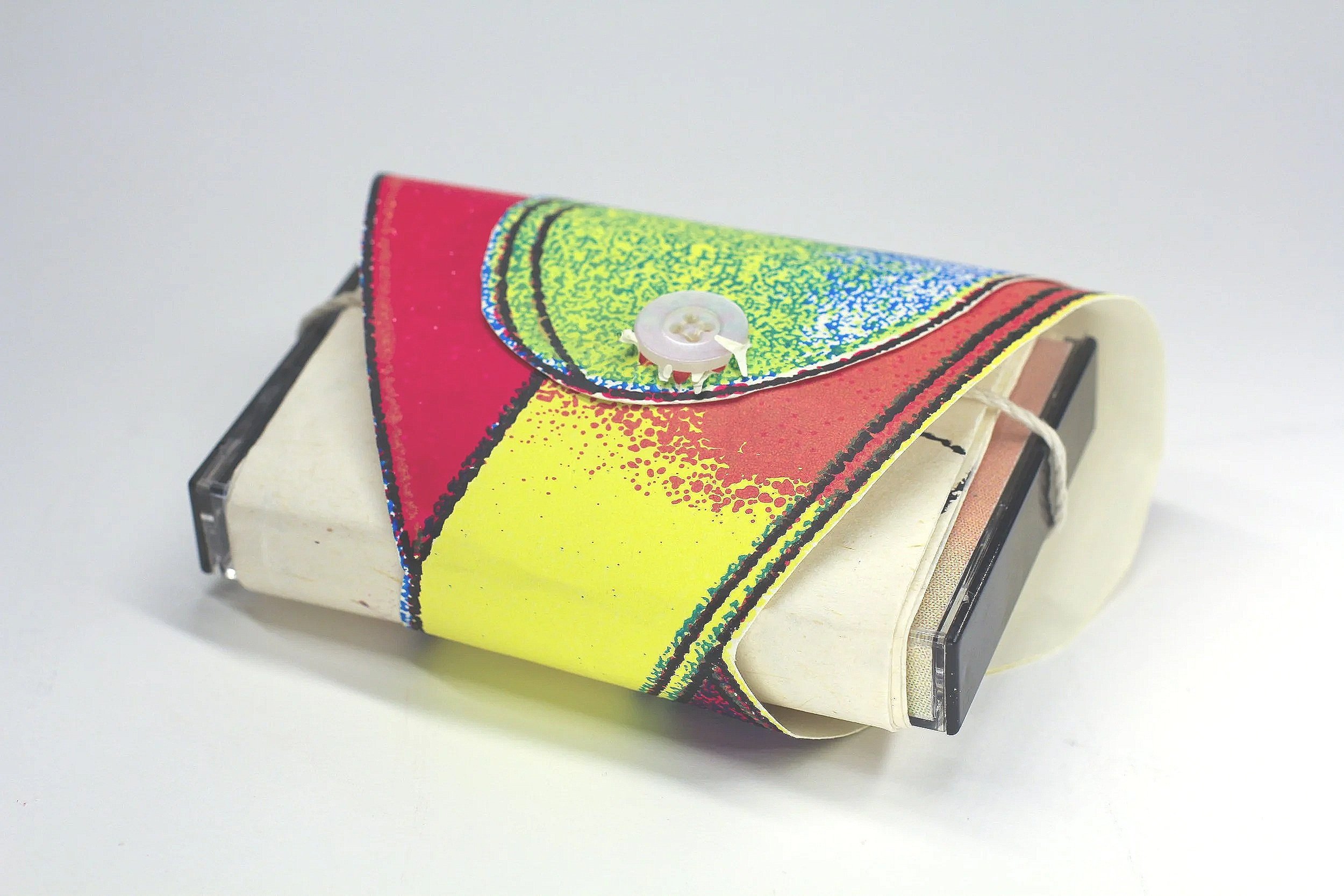
Light Loops by Alex Huang and Lily Campbell - Detail view of full package with bound outer sleeve and buttoned mobius strip exterior
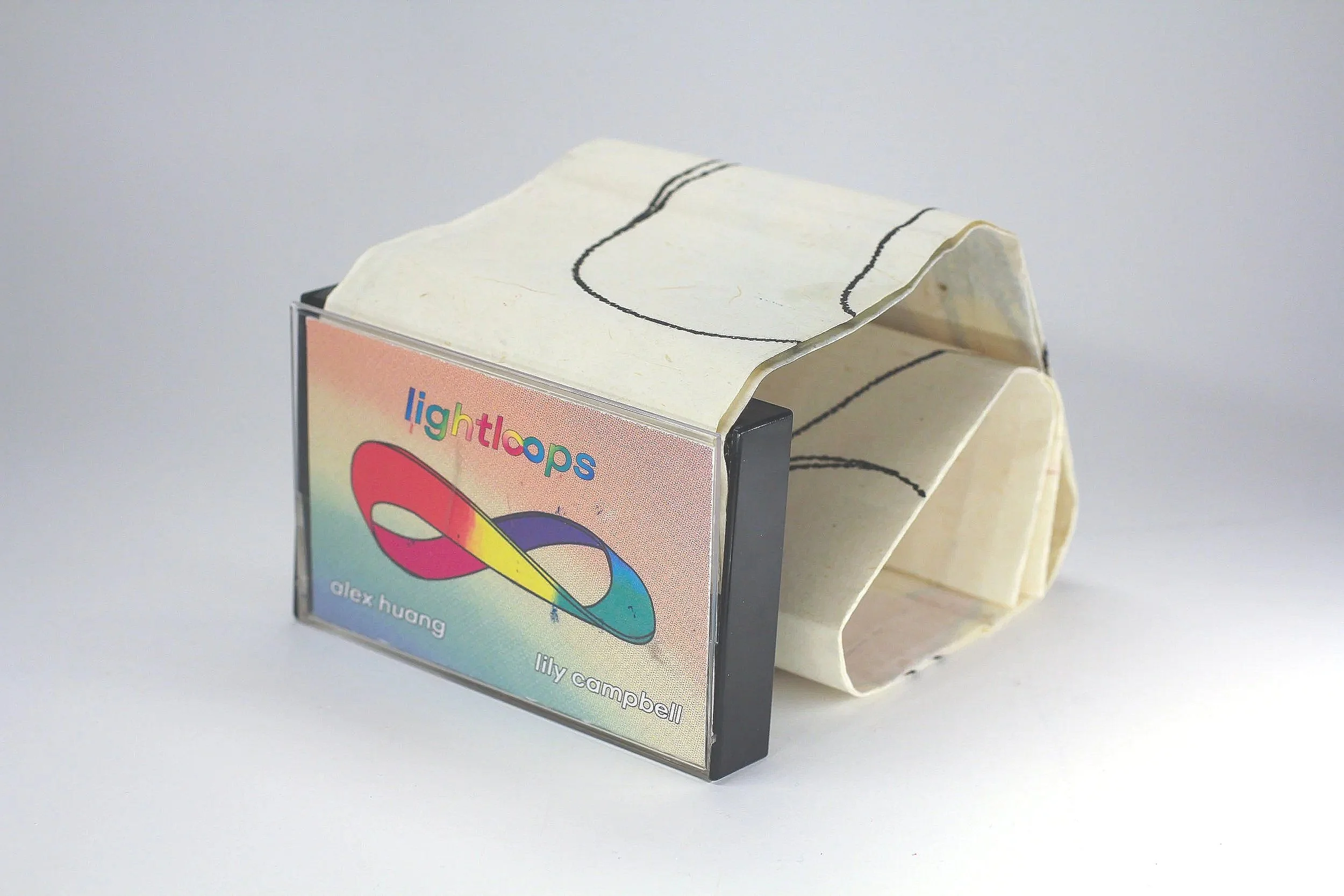
Light Loops by Alex Huang and Lily Campbell - Detail view of package with unfurled outer sleeve and removed mobius strip exterior
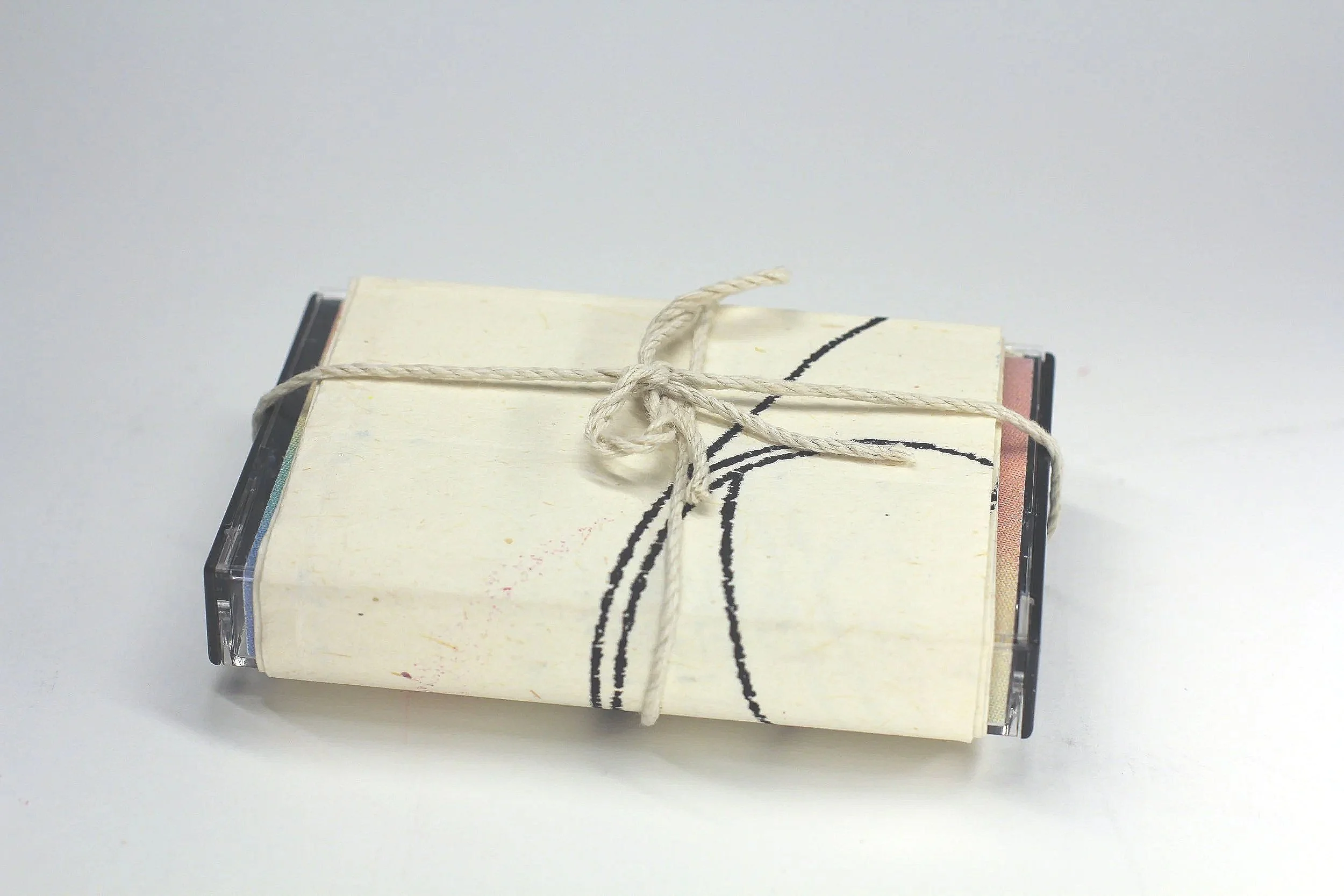
Light Loops by Alex Huang and Lily Campbell - Detail view of full package with bound outer sleeve and removed mobius strip exterior
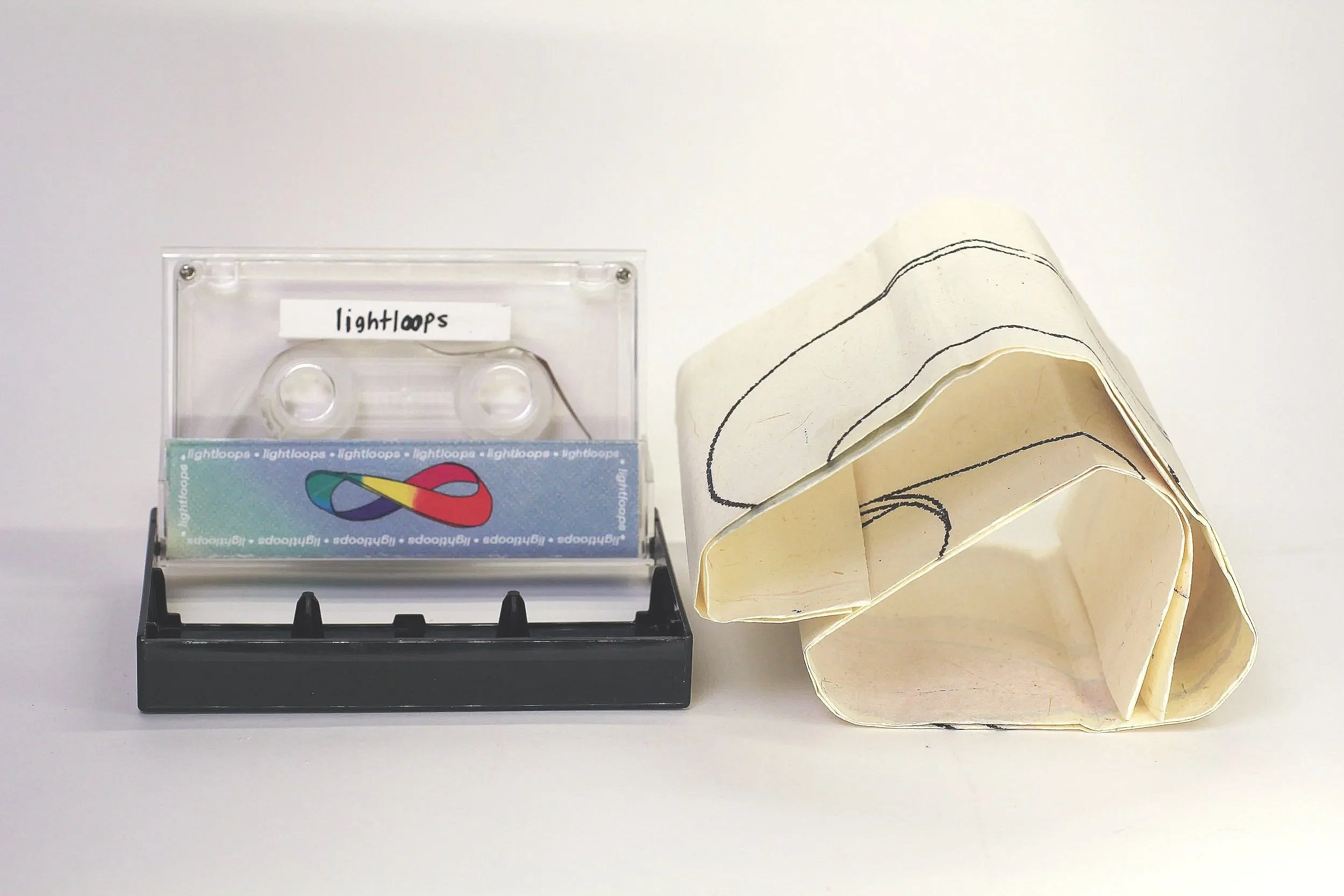
Light Loops by Alex Huang and Lily Campbell - Detail view of packaging with removed outer sleeve and removed mobius strip exterior
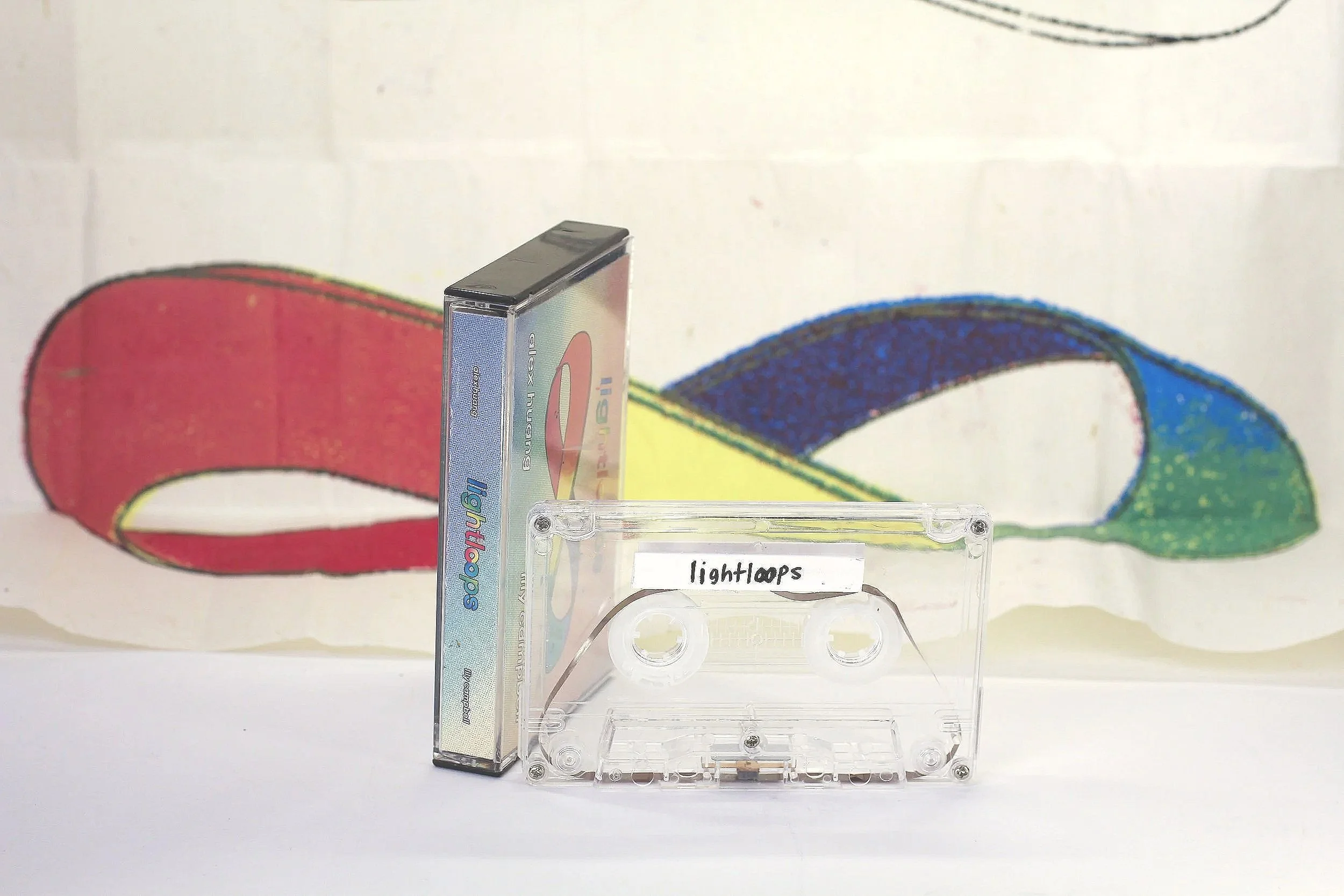
Light Loops by Alex Huang and Lily Campbell - Detail view of full package with cassette tape loop and removed and unfolded mobius strip exterior
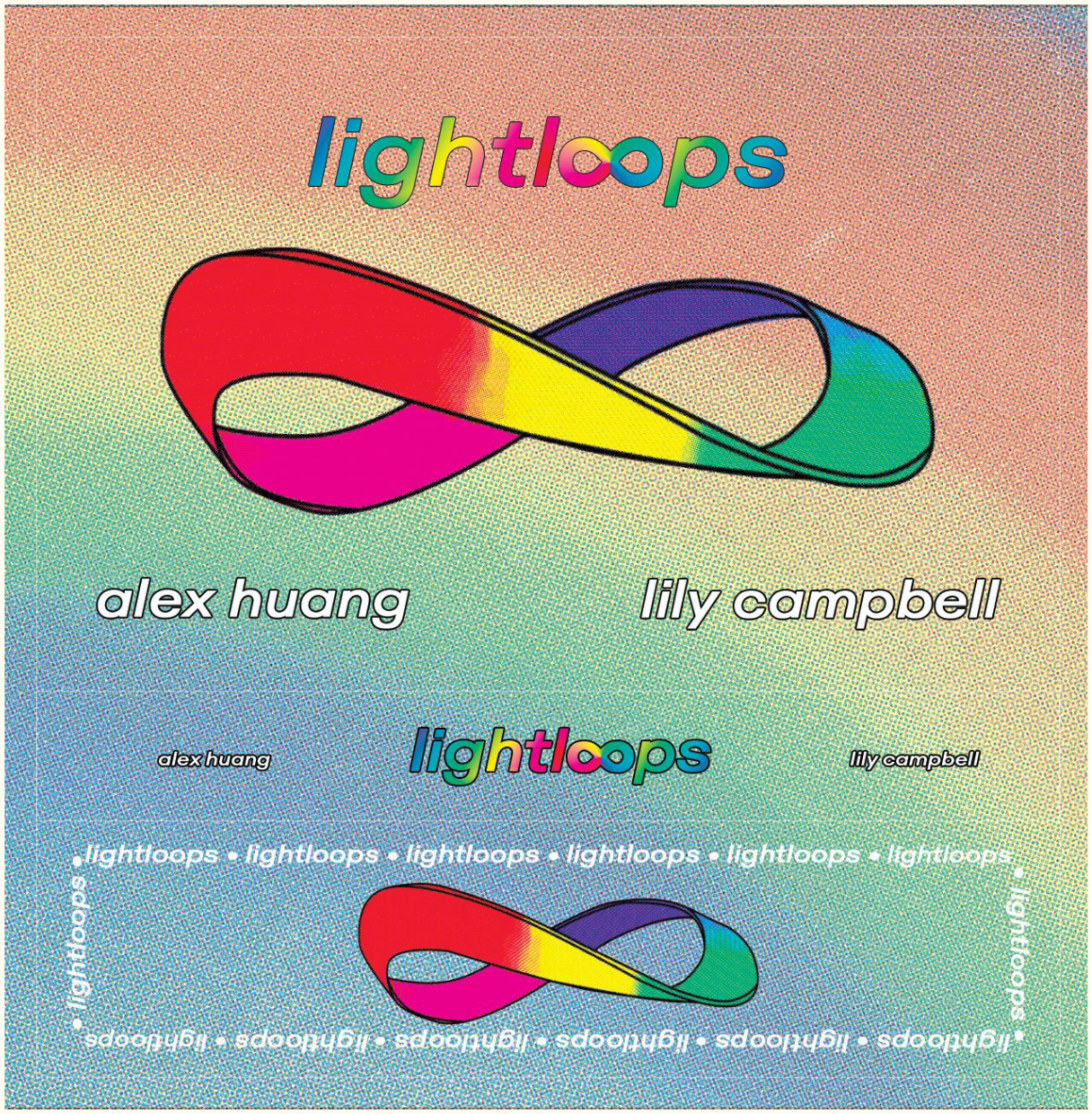
Light Loops by Alex Huang and Lily Campbell - Detail view of J-Card Design